Global Symposium for Regulators, attended by the Deputy President of UKE
14 May 2026
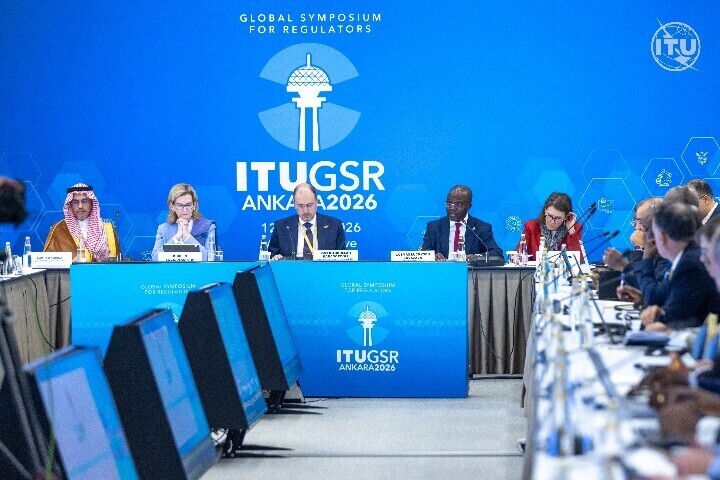
The Global Symposium for Regulators (GSR-26), organised annually by the International Telecommunication Union (ITU), is taking place in Ankara from 13 to 15 May 2026. Karol Krzywicki, Deputy President of UKE, is participating in the event on behalf of UKE.
Heads of Regulators’ Executive Roundtable was held today, during which the GSR-26 Best Practice Guidelines on regulatory governance essentials: the new core kit regulators need to make digital markets deliver, have been adopted.
During this session, a discussion took place on the implementation of the guidelines and the key aspects of these tools for regulators for the coming year.
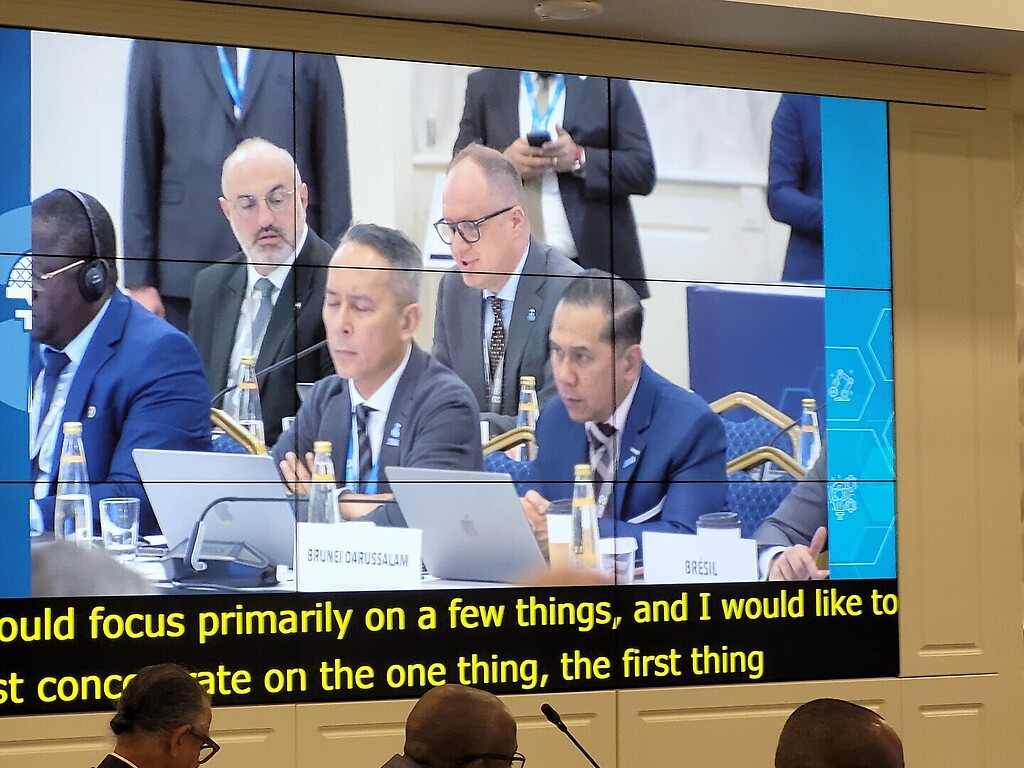
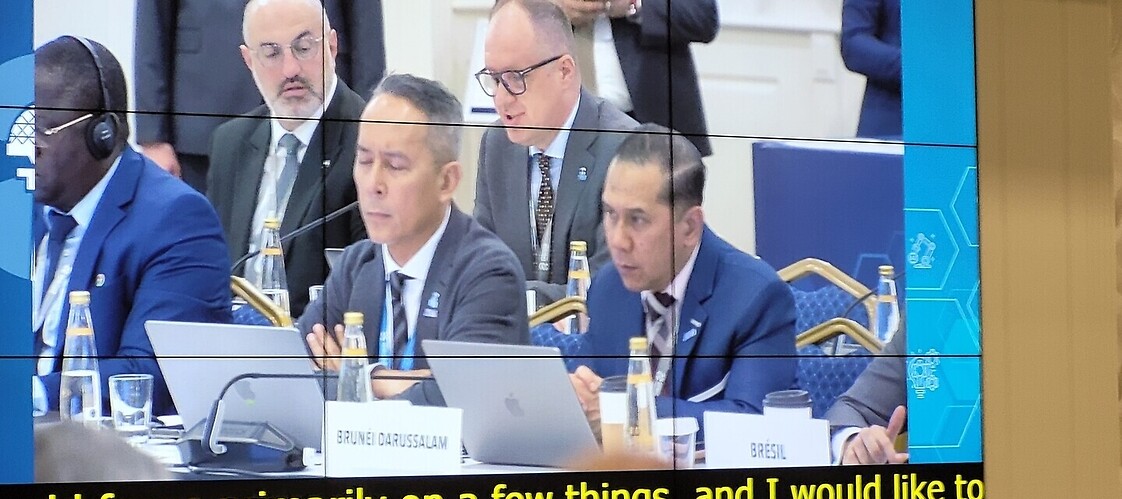
In his address during this session, Karol Krzywicki emphasised the need to use innovative regulatory tools, to take action based on collected data and findings, and to achieve the relevant outcomes of pre-defined indicators, thereby motivating market players to achieve specific results without imposing rigid procedures, processes and methods. An important mechanism is the monitoring of the results of regulatory objectives. The regulatory principles applied – provision of essential connectivity, affordability, accessibility, reliability of services and networks, minimisation of harm to consumers, and market competitiveness – should be translated into a set of measurable indicators enabling the assessment of their implementation in practice. The assessment of the achievement of these indicators would be based on collected data (though the reporting itself should not constitute an additional administrative burden for entities). It is also important to apply a risk-based approach and to adapt the monitoring to the actual impact of entities on the market. Such a system enables effective monitoring of the achievement of regulatory objectives whilst limiting administrative burdens, and provides businesses with clarity regarding expectations and the means of demonstrating compliance with their activities.
Another key aspect of these guidelines is the use of experimental tools, such as regulatory ‘sandboxes’, pilot projects and temporary regulations that allow new solutions to be tested. These solutions should be developed in line with the active involvement of stakeholders through public consultation, which will help to create appropriate, flexible and effective regulations that better respond to the challenges of rapidly evolving digital markets.